Having a website is an important step for any business, but making it visible on search engines is equally important. When people search for information, products, or services on Google, they usually explore the results that are most relevant to their needs. On-page SEO helps businesses optimize their website content so that search engines and users can better understand each page.
What Is On-Page SEO?
On-page SEO refers to optimizing the elements within a website to improve its visibility in search engine results. It includes website content, headings, title tags, meta descriptions, internal links, images, and URL structure.
The main goal is to create useful, relevant, and easy-to-understand pages that satisfy the needs of visitors.
Important On-Page SEO Techniques
1. Keyword Research
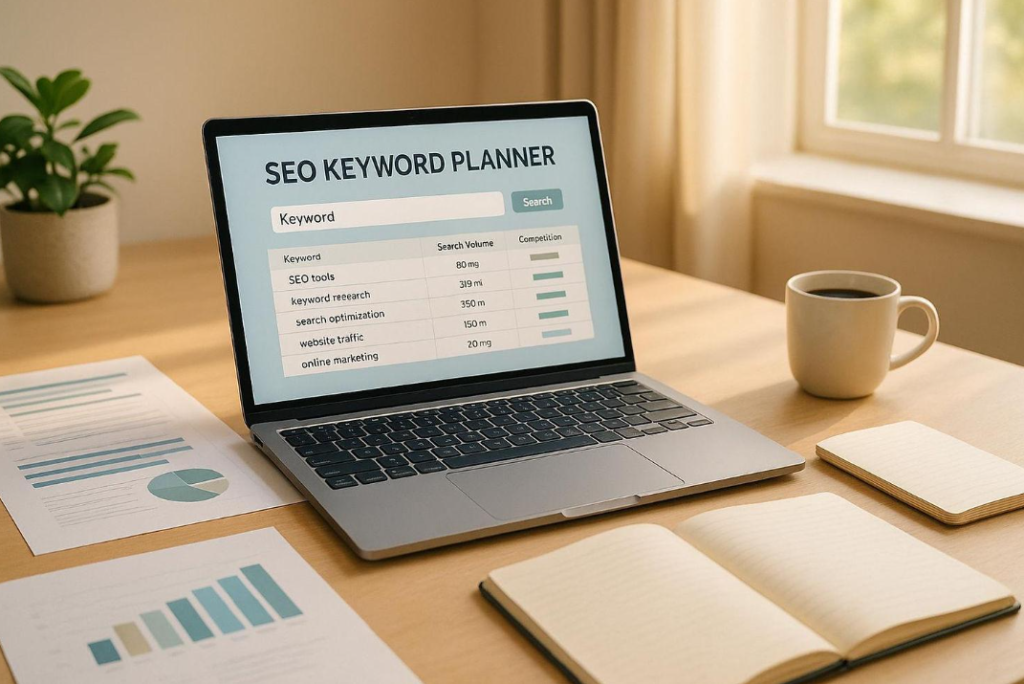
Keyword research helps identify the words and phrases people use when searching online. Choosing relevant keywords allows marketers to create content that matches search intent. Keywords should be included naturally rather than repeated unnecessarily.
2. Optimize Title Tags and Headings
A clear title tag helps users and search engines understand the page’s topic. Use a relevant main heading (H1) and organize the content with descriptive subheadings (H2 and H3) to improve readability.
3. Write Useful Content
High-quality content should answer the reader’s questions and provide practical information. Avoid copying content from other websites or writing only to include keywords. Helpful, original content creates a better user experience.
4. Improve Meta Descriptions
A meta description briefly summarizes a webpage in search results. Write a clear and relevant description that encourages users to visit your page. Google may choose a different snippet depending on the search.
5. Add Internal Links
Internal linking connects one page of your website to another. For example, a blog about SEO can link to your SEO service page. This helps visitors discover related content and supports website navigation.
6. Optimize Images
Use relevant images, descriptive file names, and meaningful alternative text (alt text) when appropriate. Compress images to reduce file size and help your pages load efficiently.
How to Monitor SEO Performance
Tools such as Google Search Console help website owners monitor search visibility, clicks, impressions, and indexing issues. Reviewing these insights can help identify opportunities to improve content and website performance.
Conclusion
On-page SEO is an essential part of a successful digital marketing strategy. By improving content quality, optimizing headings, researching keywords, adding internal links, and making images accessible, businesses can create a better website experience and improve their chances of appearing in relevant search results. SEO takes time, so consistent improvements and regular monitoring are important.